2026-09-18 · Pete Marino
How to Spot Sump Pump Failure After Heavy Lake Erie Rains
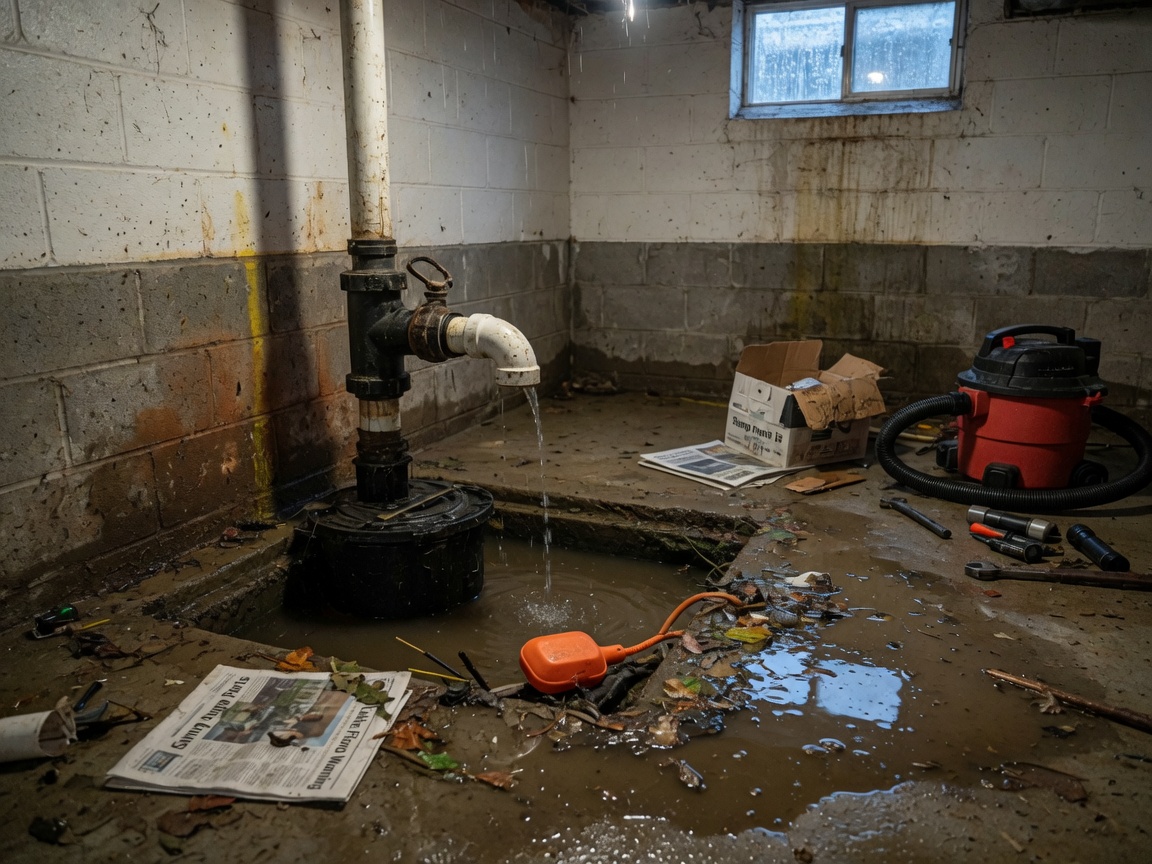
Sump pump failure after heavy Lake Erie rains shows up first as water levels climbing above the normal 8–12 inch mark in the pit or the pump running nonstop for more than 30 minutes without dropping the water. In Erie’s humid continental climate, sudden downpours combined with the lake’s moderating effect can raise the water table quickly in low-lying spots such as the West Side and East Erie, overwhelming pumps that have already handled years of lake-effect moisture. Older housing stock built before the 1970s in Downtown Erie and Little Italy often sits on clay-heavy soils that drain slowly, so the pump works harder and fails sooner when rains exceed two inches in a few hours.
Visible Water and Noise Changes
After a strong rain event, check the sump pit directly. If water sits higher than the discharge pipe inlet or you hear the motor straining with a high-pitched whine instead of its usual steady hum, the impeller may be clogged with silt common in Erie’s lake-adjacent soils. Walk the basement perimeter in Glenwood or Bayfront homes and look for new damp spots along the foundation wall within 24 hours of the rain stopping. These signs appear faster in areas with shallow basements and older clay tile drains that were never designed for today’s heavier storm volumes. Note the exact time the pump last shut off; if it cycles every two minutes instead of the normal 10–15, the float switch is likely stuck from debris washed in during the downpour.
Testing the Pump After Lake Erie Storms
Disconnect power at the breaker, pour a bucket of water into the pit, and restore power to watch the pump activate. In Millcreek and South Erie homes with older 1/3-horsepower units, the pump should clear the pit within 60–90 seconds; anything longer points to a worn impeller or partial blockage from fine sand carried by runoff. Listen for the check valve clicking shut once the water drops—if it stays open, water will backflow and restart the cycle repeatedly. Homeowners near Presque Isle State Park or the Erie Zoo often see this after nor’easters because the flat terrain lets water linger longer before the pump can push it to the street. Repeat the test twice more to confirm the pattern holds.
Soil and Terrain Factors Unique to Erie County
Erie’s lake-moderated climate brings repeated saturation events that compact soil around older foundations in the West Side and Little Italy, reducing natural drainage and forcing the sump to handle extra volume. Clay subsoils common throughout the county hold water longer than sandy soils found farther inland toward Meadville or Corry, so a pump that once managed a one-inch rain now struggles with the same storm after 8–12 years of service. Check the discharge line for ice or debris buildup at the outlet; heavy rains followed by cooler lake air can freeze the line overnight and back water into the pit. These conditions differ from inland Pennsylvania towns because the lake keeps ground temperatures milder yet increases overall moisture load on every system in Harborcreek and South Erie.
Next Steps When Failure Appears
If the pump fails the water test or shows continuous cycling, schedule Sump Pump Replacement before the next storm arrives. Many Erie homes benefit from adding a Battery Backup Sump Pump System to handle power outages that often accompany heavy lake rains. Review Typical Sump Pump Repair Costs for Erie Homeowners to understand what a new float switch or full unit replacement typically involves. For homes preparing for winter, read Sump Pump Repair Before Erie Winter Freezes to see how fall rain damage compounds once temperatures drop. Address discharge line issues promptly with Sump Pump Discharge and Drainage Repair so water actually leaves the property instead of pooling near the foundation.